
Field Good Fridays
Restore ecosystems. Build community. Feel good!
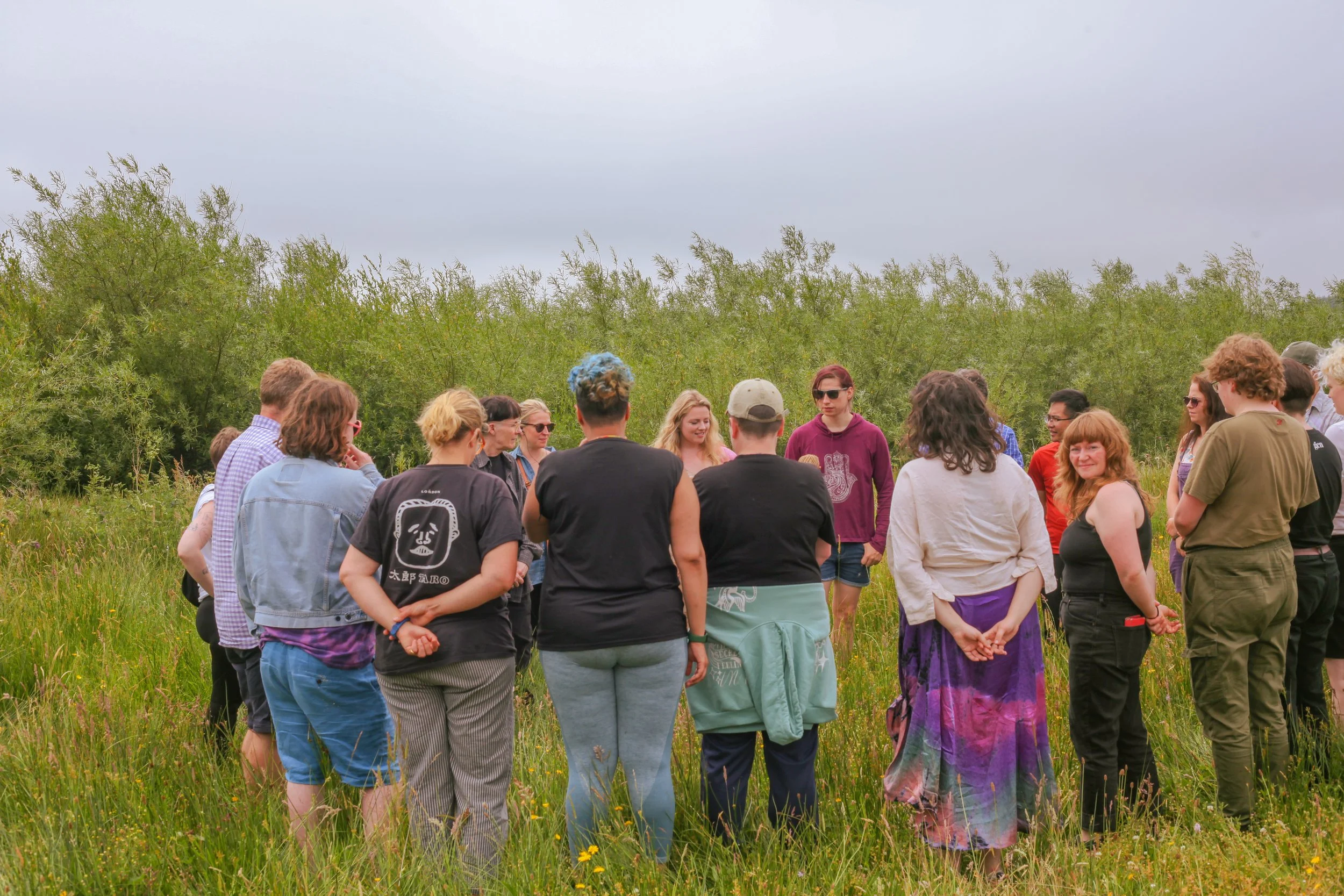
Field Good Fridays are an opportunity to learn the skills needed for ecological restoration at home and in your community, whilst contributing to the regeneration of our 50 acre site in Kilfenora. Oh, and did we mention the cake?
We’re all feeling the impact of climate change and biodiversity loss - but how can we get started with meaningful ways for us to address these issues in our own homes and communities?
Field Good Fridays are designed to equip people with skills to take action at home and in their communities. Through practical workshops in regenerative food growing, sustainable land care, and ecological restoration, participants gain the confidence needed to make a real difference on both a personal and community scale.
The environmental education workshops are a mix of classroom based theory learning, with plenty of hands-on practical learning outside on the land.
Returning in 2026 for its third year, Field Good Fridays is moving to a monthly model, running every second Friday from March through to November.
Completely free of charge and open to all backgrounds and experience levels, this project encourages participants to take what they learn and share it with their communities, creating a positive ripple effect of environmental action.
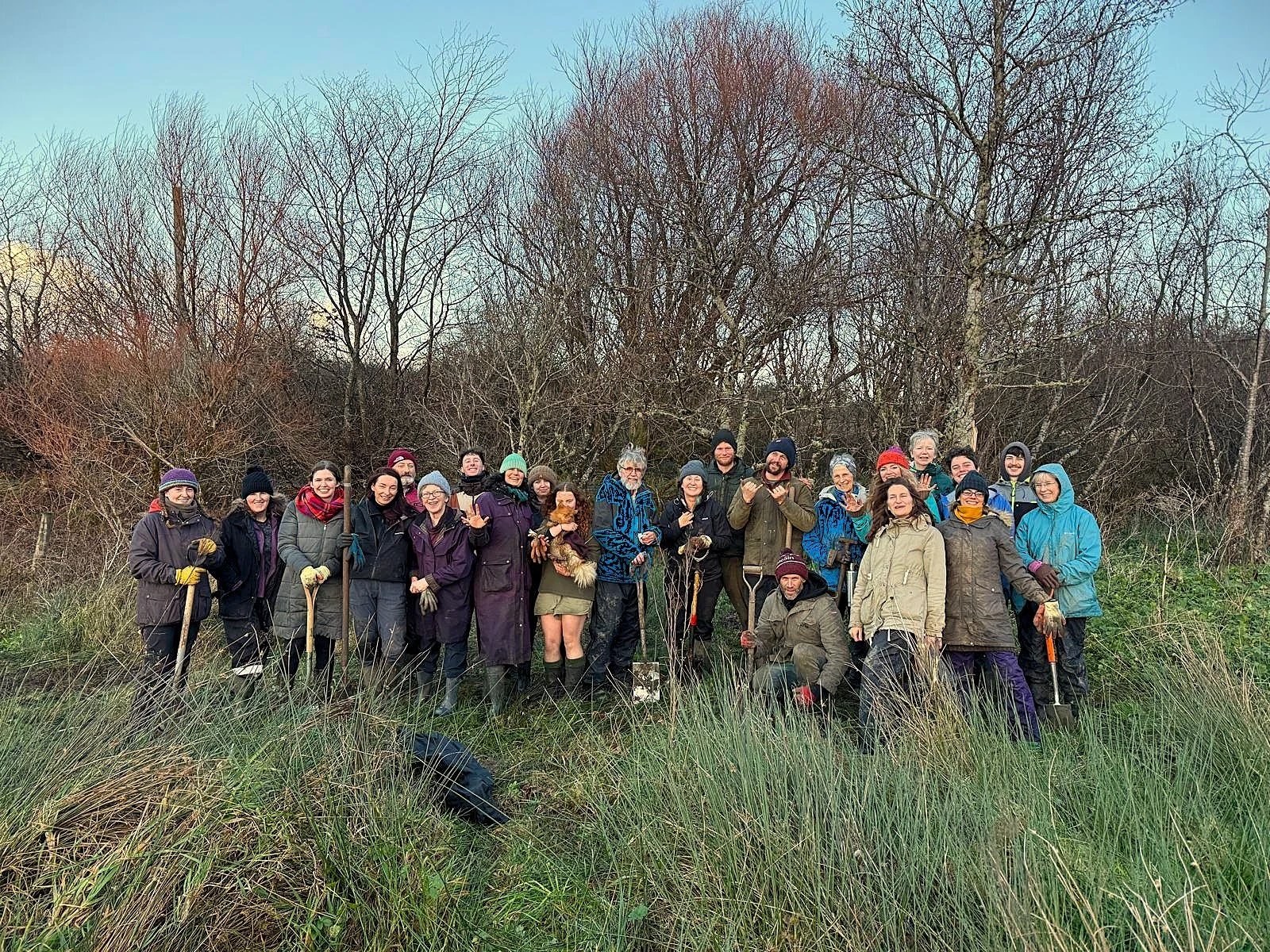
“Field Good Fridays have been a very rewarding experience, learning, asking questions, sharing ideas & meeting lots of new people with different stories to share proving that no matter our background, we can all contribute to the welfare of our environment.”
2025 Participant
A typical day at Field Good Fridays begins with a warm welcome, an informative morning classroom session, and an opportunity to get to know the rest of the group…
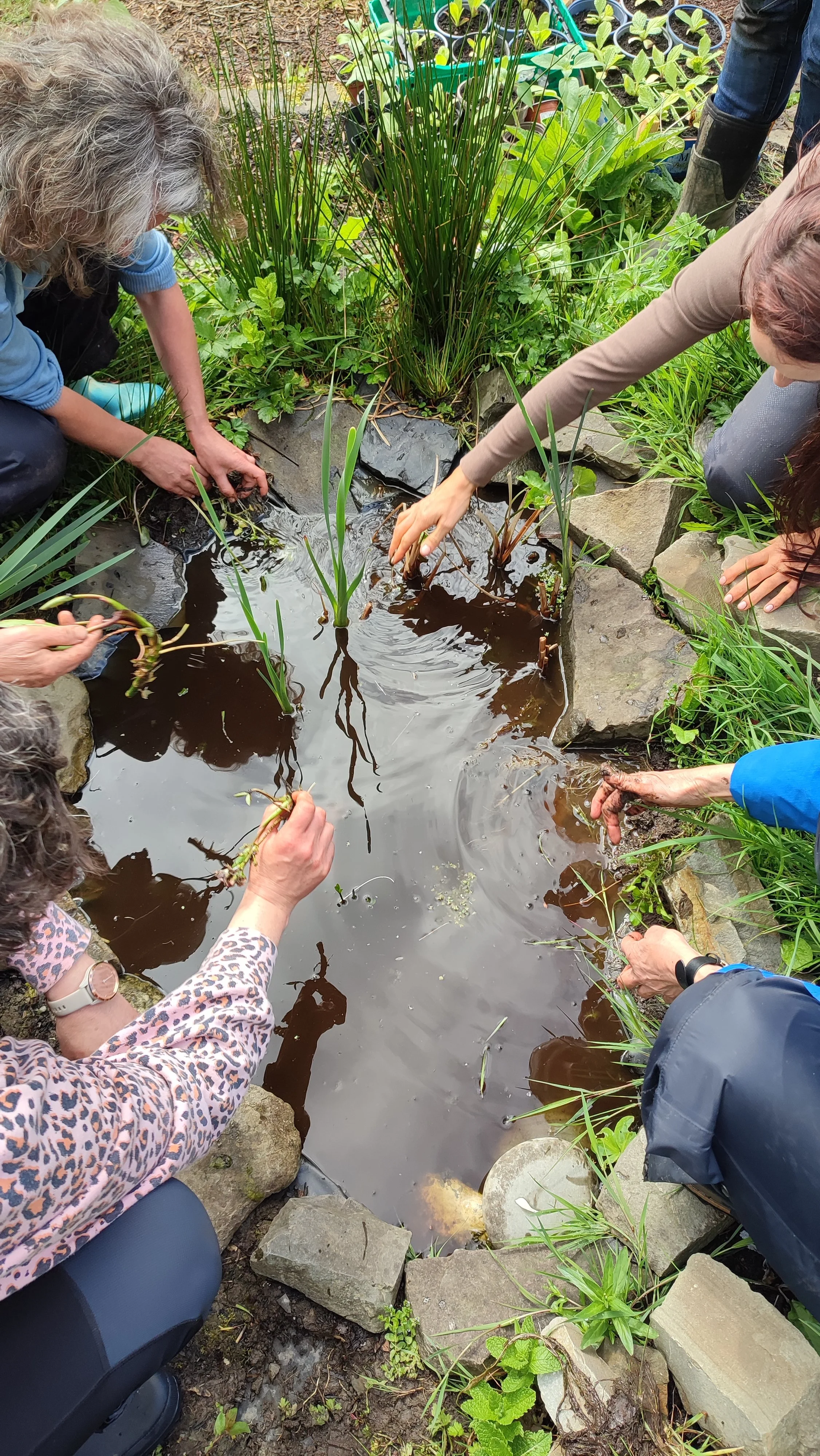
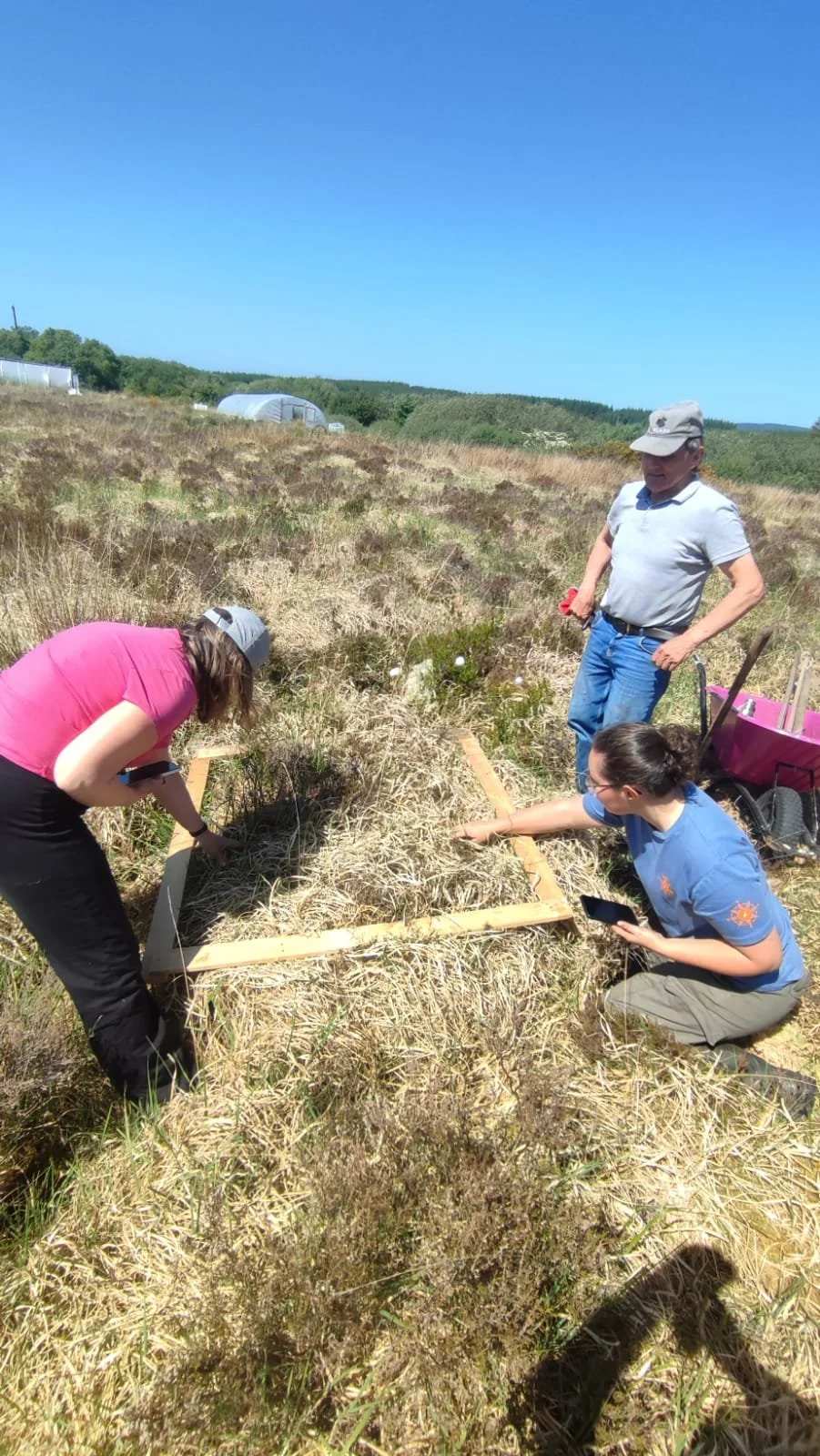
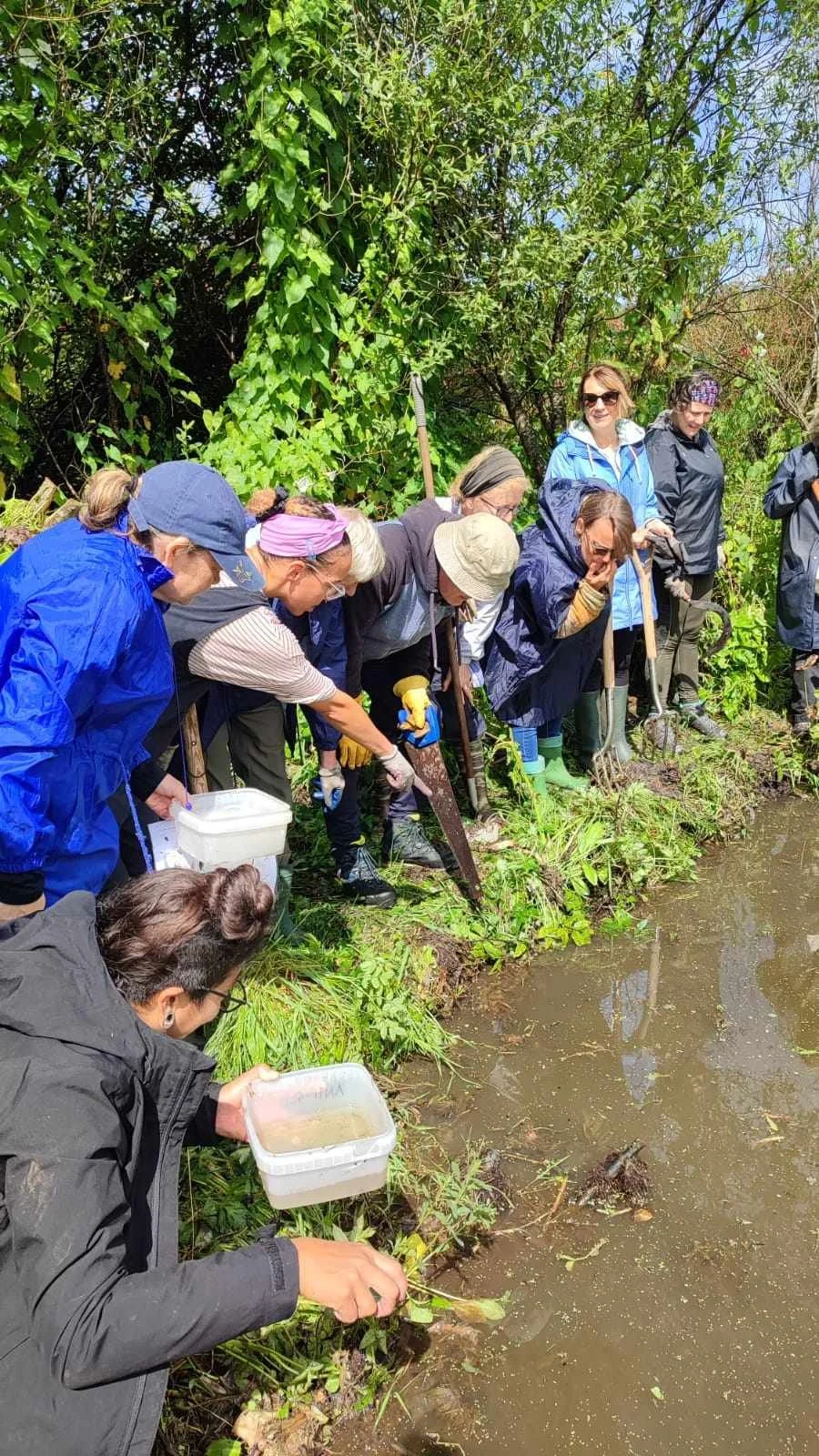
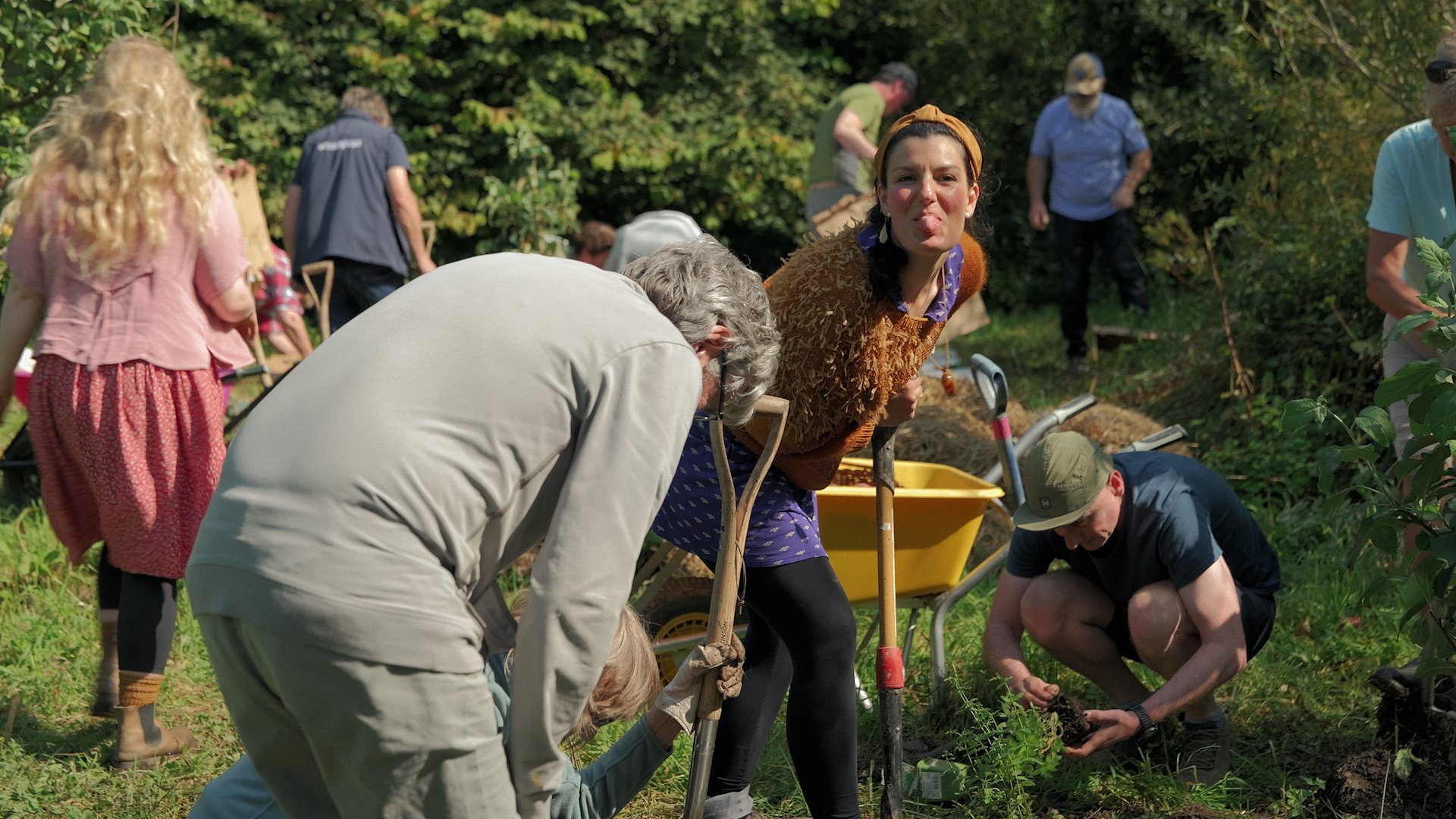
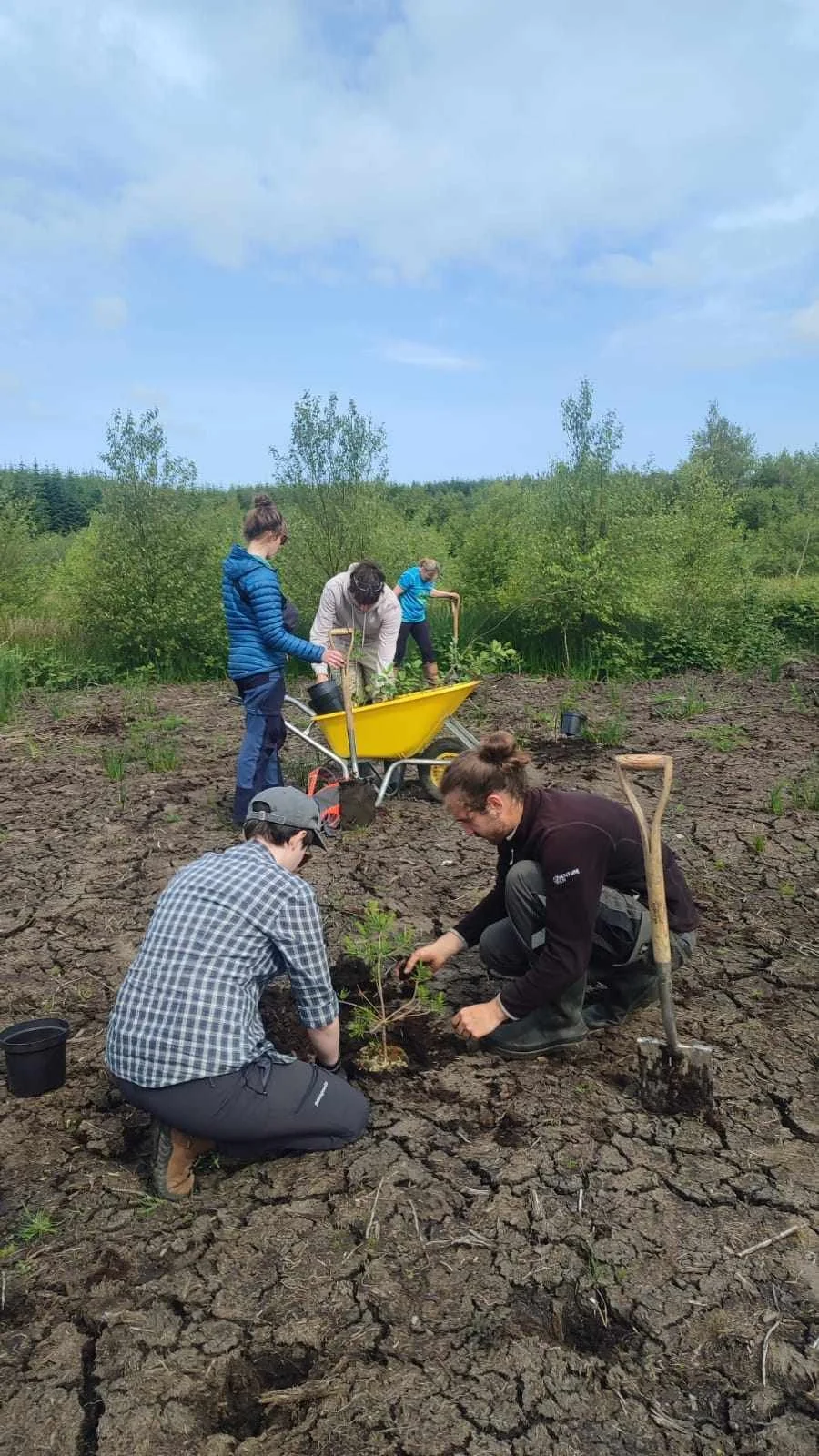
Then, we head outdoors for some practical activities on the land to encourage learning in hands-on way. Each workshop is different, we could be digging a wildlife pond, removing invasive plants, planting trees, managing wildflower meadows, surveying for citizen science, restoring the peatland, or growing and harvesting fresh organic vegetables for lunch.
Around 1pm, we’ll enjoy a wholesome lunch together, cooked by our on-site chef.
In the afternoon, we might take a mindful walk across the land to connect with nature, invite participants to share a new skill with the group, or continue on with the mornings important restoration work.
We always wrap up the day with a cup of tea and a sweet treat, reflecting on what we’ve learned, and chatting about how we can share this knowledge with our own communities.
Register here to join the next Field Good Friday
“I learned that I have the power to make a positive difference in my own environment & by so doing inspire others to make a difference too.”
-2025 Participant
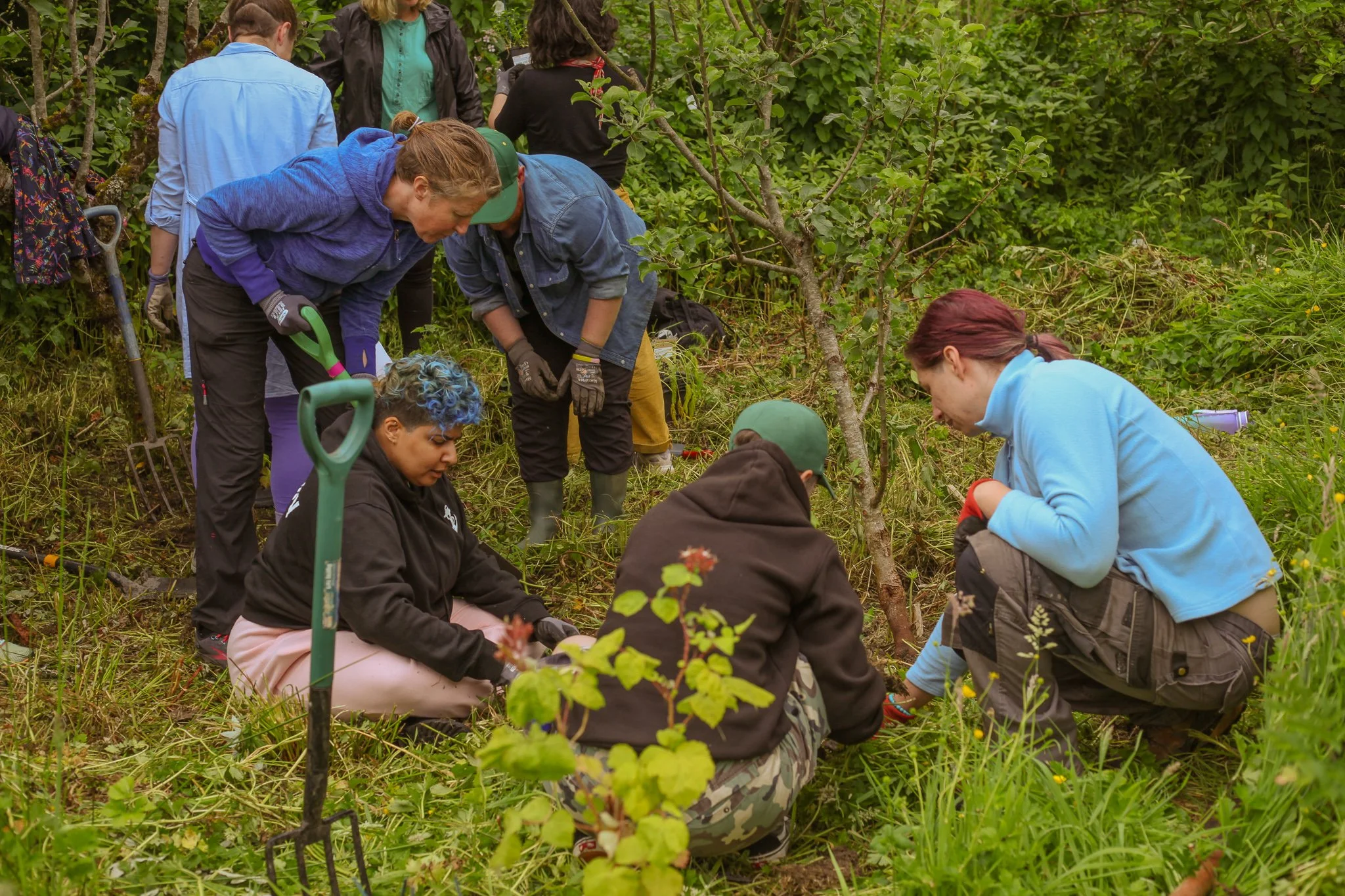
In the first two years of the Field Good Fridays project we have held 60 environmental educational workshops, and engaged with over 600 participants
Everyone is welcome and it’s always a mix of backgrounds at Field Good Fridays. So whether you are a farmer or living in an apartment, young or older, new to the area having just moved here or living in international protection, or just a curious climate advocate - join us to learn, connect, and engage with the land and with each other.
The feedback data gathered from our evaluation forms showed:
100% of participants surveyed from Field Good Fridays have increased their capacity for taking climate action.
100% of participants surveyed from the project said they have increased their understanding of ecological restoration from the project.
93% of participants surveyed said they feel more connected to communities outside their own, since taking part in this project.
2026 Workshops Planned
Booking for each workshop opens one month in advance.
-
This workshop is an opportunity for past Field Good Friday participants to come together to contribute feedback and brainstorm ideas to help inform the content of this years project.
Followed by a collaboration with Hometree for lots of tree planting, creating a mini woodland and biodiverse hedgerow.
-
Explore techniques for growing food and building biodiversity in multi layered, self-sustaining systems. Combine permaculture principles with practical planting skills to make the most of your growing space whilst also capturing carbon and supporting the wider ecosystem.
-
Develop hands-on skills for growing organic food, without the use of harmful chemicals. Focusing on soil health, crop rotation, seasonal planning, and earth friendly horticulture methods.
-
A retreat day for those in need of nervous system nourishment after feeling the burnout that can happen after periods of environmental activism. A collaboration with LLewyn from Savage Craic, focusing on community medicine making. -
Learn to identify and safely manage invasive plant species and why these are a threat to biodiversity. Learn practical techniques to control them and protect our native ecosystems. A collaboration with conservation biologist Michele Taylor, focusing on surveying and citizen science.
-
Gain practical experience in creating and maintaining wildlife ponds. Support amphibians, insects, and other freshwater wildlife and boost biodiversity on your patch of land. A collaboration with a water management and wetlands expert.
-
Learn to establish and manage wildflower meadows for biodiversity. Includes mowing, seed sowing, and habitat maintenance.
-
Get hands-on with peatland restoration methods. Focus on rewetting, vegetation management, and carbon conservation. A collaboration with a peatlands ecologist.
-
Engage in activities that deepen your observation and awareness of nature to help you appreciate and fall in love with the earth again. Learn practical techniques for mindful outdoor experiences.
Register to join the next Field Good Friday
2026 Supporters & Partners
Common Knowledge is deeply grateful for the support of its partners in bringing the Field Good Friday's project to life.
Field Good Fridays is funded by the Airtricity Green Generations Fund, the Department of Rural and Community Development and the Gaeltacht as part of the National Philanthropic Pilot scheme, and Patagonia.