Two to three days in the Burren. Practical skills, teamwork and fresh thinking, learned outdoors.
Your students spend two or three days on our 50-acre site in the Burren and Cliffs of Moher UNESCO Global Geopark. They build, grow and make alongside skilled makers, and go home with something they made and skills they’ll keep using.
Young people hear a lot about the climate crisis and get few chances to do anything about it. We think confidence comes from doing. Building a bird box or planting a willow fence won’t fix everything, but it shows students they can make a real difference, and that’s a good place to start.
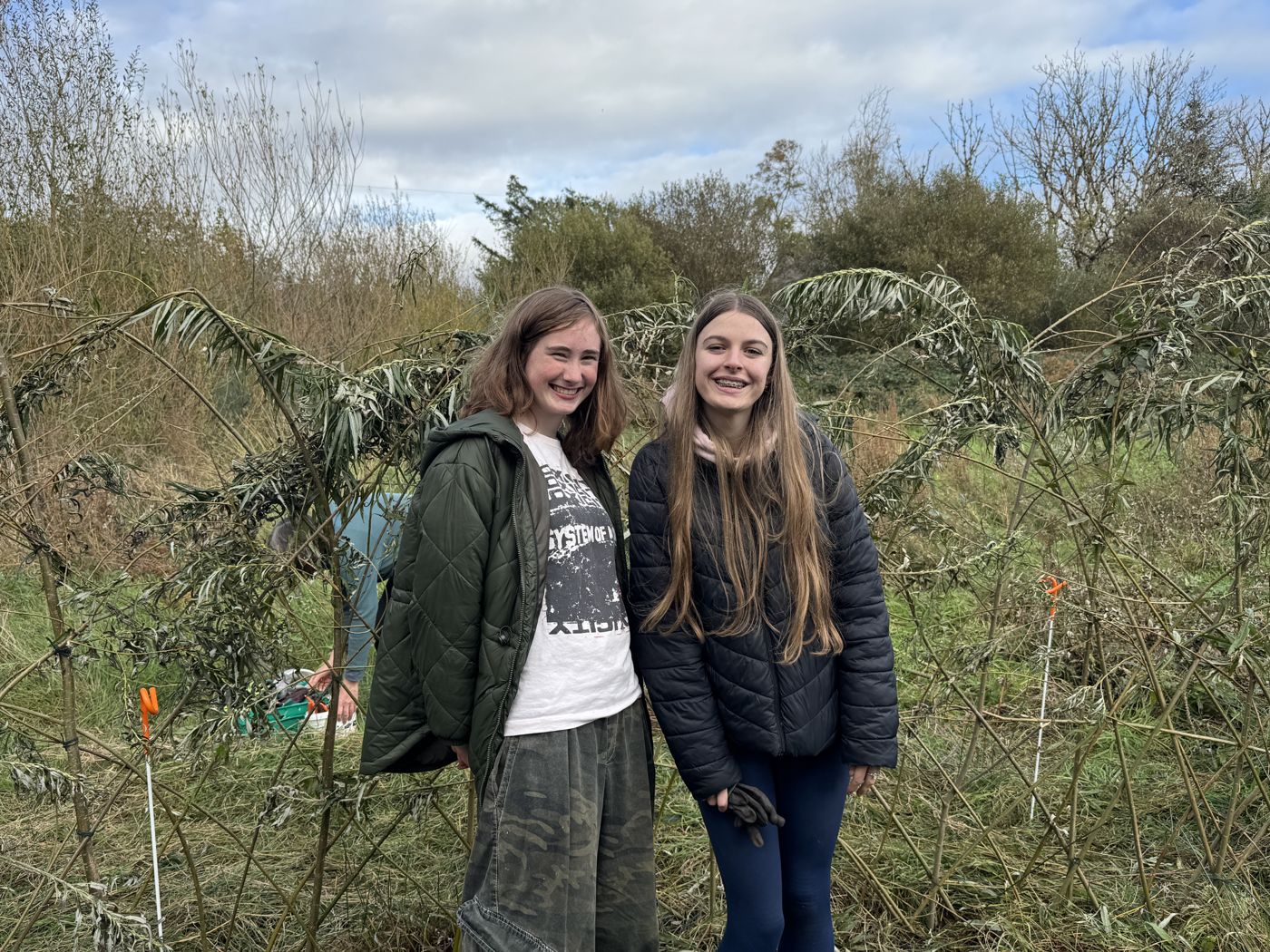
The minute they’re engaged in an activity, the students are learning much more, they’re thinking more, they’re using their intuition.
Pilot programme teacher
Carpentry, building, growing and making.
Problem-solving and thinking for themselves.
Teamwork and the confidence to share what they’ve learned.
Students live and work together away from home, try things they’ve never done before and gain confidence using real tools. Time outdoors, good food and a quiet site give them space to switch off and connect with each other.
Everything is hands-on. At Common Knowledge we believe in discovery learning and creating the conditions that make people want to learn. Students solve problems as they go, learn from skilled makers, record real data as citizen scientists, and finish with a closing reflection on what they’ve learned.
The Climate Justice game and the Bog Treasure Hunt get students thinking about fairness, climate and nature restoration. In the practical workshops, they can make homes for wildlife, build something that stays on site for others to enjoy, or learn a skill and get coaching in how to share it back at school.
At the careers panel and in every workshop, students meet people who earn a living from climate, nature, craft and sustainability work, and they discover green jobs they may never have heard of.
Bring up to 28 students for one night or two. Food, beds and activities are all sorted. One teacher stays for free, with reduced rates for a second teacher. For a one-night stay, choose a group activity and two workshops. On a two-night stay, add a group activity and another workshop. In the evening, choose between a campfire in our stone circle and a careers panel on green jobs, or do both if your group stays two nights.
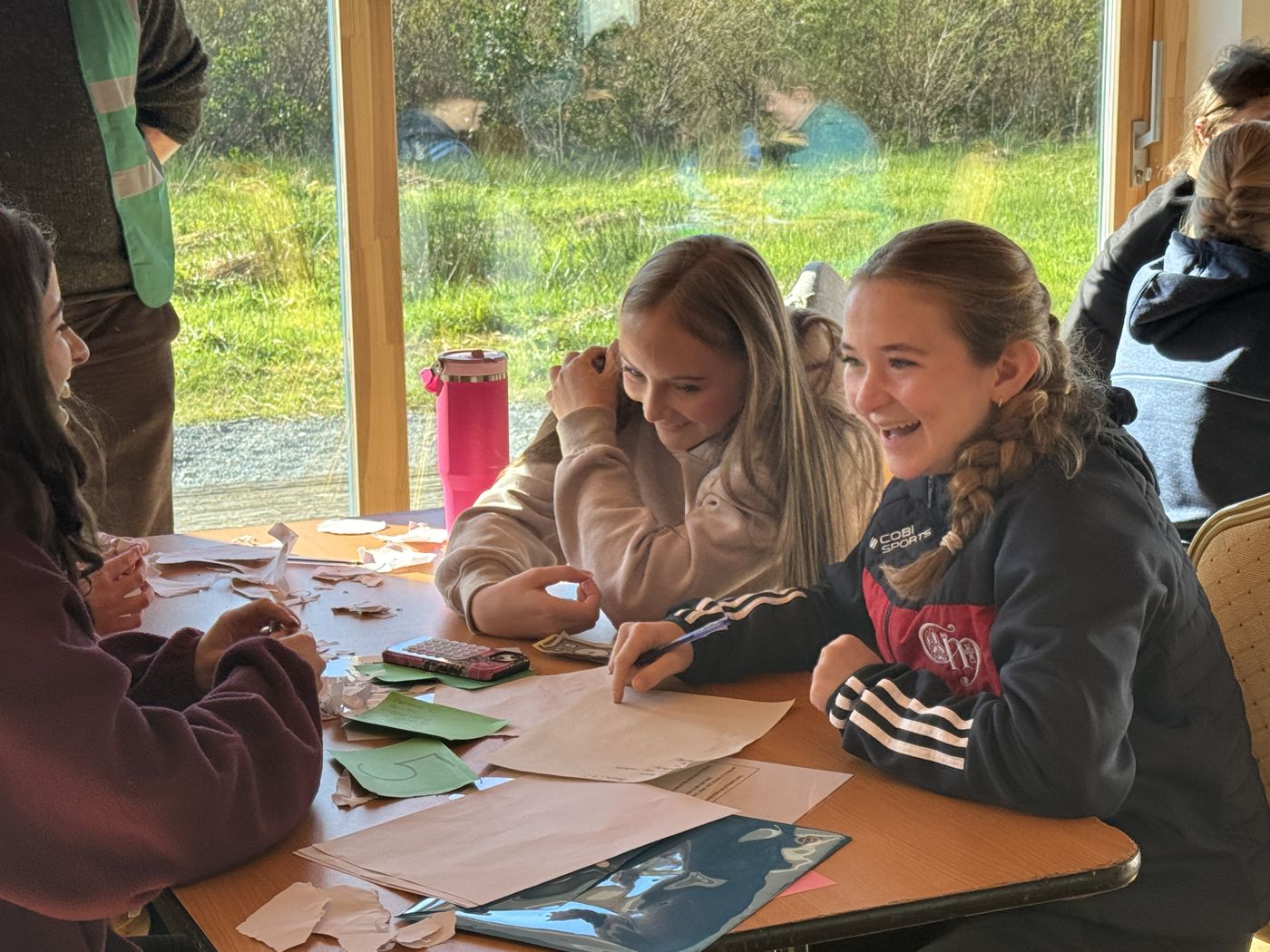
Choose between the Climate Justice Trading Game and the Bog Treasure Hunt. Both are immersive role-play games that get students thinking, problem solving and learning by doing. Do both on a two-night stay.
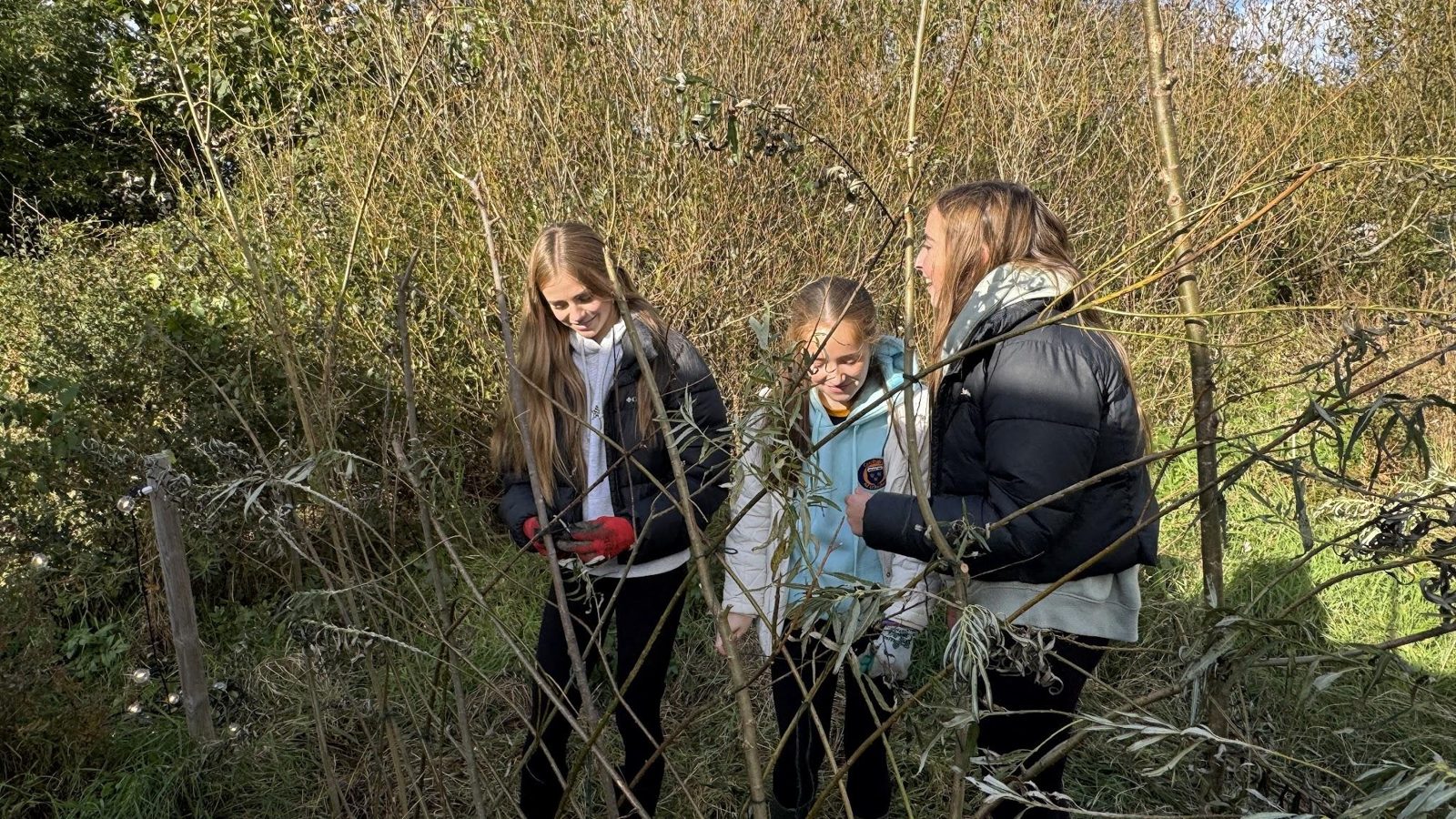
Weave and plant living willow into fences, domes, arches, borders and tunnels. Students learn basic weaving and shaping techniques with living materials. It’s a simple, satisfying skill they can take home or back to school.
Build homes for bugs, birds and other wildlife, such as bat boxes, bug hotels, bird tables and dead hedges. Students also find out how to boost biodiversity at home, at school or anywhere else.
Forage on site and turn plants into natural beauty products and useful everyday items, discovering the real value in what grows around us. The plants and products change with the seasons.
Become a citizen scientist for the day. Meet the creatures that live in Ireland’s meadows and peatlands, learn different ways to record them, and use surveys to assess the health of an ecosystem.
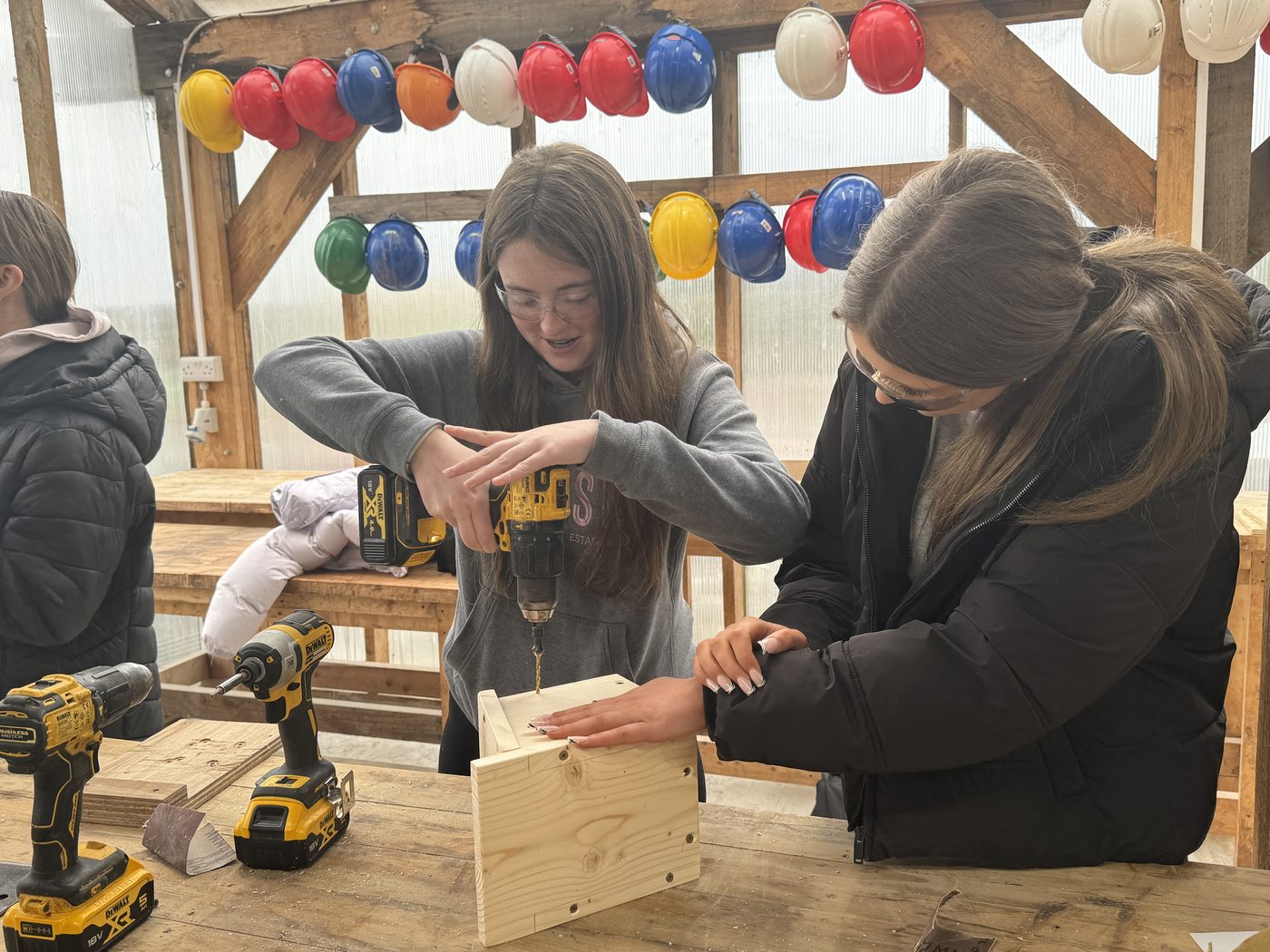
Build your own bird box from scratch, learning to measure, cut and use tools safely and confidently. Find out what different bird species need, and give nesting birds a safe place to breed.
Learn this ancient building technique, using clay, sand and straw to make a wall, a hut or an imaginative sculpture. It’s a fun chance to get your hands (and feet!) dirty.
Learn the traditional craft of building a wall from stone without mortar, as people here have done for centuries. Students learn how to choose stones, prepare a foundation, and build with batter and bonding, with the emphasis on stability, durability and working safely with stone.
Resist fast fashion by learning to make, mend and upcycle clothes and textiles, giving them a new lease of life.
Activities marked * are outdoors, and each has a plan B for bad weather.
Students spend an evening with people who earn their living from climate, nature and sustainability work, such as ecologists, natural builders and regenerative farmers. Instead of sitting through talks, students work in pairs as career detectives, asking questions at each station to work out who does what. Then it’s over to them for open questions. It’s a relaxed way to discover jobs they may never have heard of and to picture where their own interests could lead.
The best part of my visit was when we got to make bird boxes. It was fun to learn how to use tools.
Pilot programme student
Bookings for spring 2027 open in January, and we’ll work around your TY calendar. The first four schools to book by 29th January 2027 get 10% off (minimum group size 24). Register your interest.
Register your interest and Aisling Wheeler, our Learning and Sustainability Lead, will send you prices for your group. Accommodation, meals and activities are all included, and one teacher place is free.
Every outdoor activity has an indoor plan B.
Yes. We’ll ask for details once you’ve booked, so please leave them out of the form.
Spring 2027 bookings open in January, and we’ll work around your TY calendar.
Fill in the form and Aisling Wheeler, our Learning and Sustainability Lead, will be in touch with prices and dates. The first four schools to book by 29th January 2027 get 10% off (minimum group size 24).